

Safari Guide
What to Pack for an African Safari: The Complete Checklist
Packing well for safari is about comfort, not fashion. Your clothes need to handle dust, sun, cool mornings, warm afternoons and long hours in a vehicle. Your luggage needs to be practical. Your documents need to be easy to access. And your camera gear should help you enjoy the trip rather than turn every game drive into a technical struggle.
Start with luggage. A soft duffel bag is usually the best choice, especially if you are flying between camps or sharing vehicle space with other travellers. Hard suitcases are awkward in safari vehicles and may not be accepted on some light aircraft. Keep your main bag manageable and bring a small daypack for camera gear, sunscreen, medication, spare layers and documents.
Clothing should be neutral and breathable. Khaki, olive, beige, grey and muted earth tones work well. Avoid bright colours because they stand out in the bush, and avoid camouflage because it can create problems in some countries. You do not need a different outfit for every day. Safari camps and lodges are relaxed, and many offer laundry services, although underwear may be excluded.
Pack layers. Early morning game drives can be surprisingly cold, especially in open vehicles, on crater rims or in highland areas. A fleece or light insulated jacket is useful. By midday, you may want a lightweight long-sleeved shirt for sun protection. Evenings can cool quickly after sunset, so layers are more useful than bulky clothing.
A good basic clothing list includes two or three lightweight shirts, two pairs of long trousers, one pair of shorts for camp, a fleece, a light rain jacket, sleepwear, underwear, socks and a sun hat. For shoes, comfortable closed walking shoes are enough for most vehicle safaris. Hiking boots are only necessary if your itinerary includes serious walking, mountain routes or rough terrain.
Sun protection matters. Bring high-SPF sunscreen, sunglasses and lip balm. The equatorial sun can be strong even when the air feels cool. A wide-brimmed hat is better than a cap for long game drives. Insect repellent is useful, especially in the evenings, near water or during wetter months. Ask your doctor about malaria precautions and any recommended vaccinations well before travel.
Your personal medical kit should include any prescription medication in original packaging, basic pain relief, antihistamines, rehydration salts, plasters, antiseptic wipes, motion-sickness tablets if needed and stomach-settling medicine. Keep essential medication in your hand luggage, not your checked bag.
Documents are easy to overlook. Carry your passport, visa or electronic travel authorisation documents, travel insurance details, emergency contacts, flight confirmations and safari itinerary. Keep digital copies offline on your phone and a printed copy in your bag. Some remote areas have limited signal, so do not rely entirely on cloud storage.
For cameras, the best setup is the one you can use quickly. A phone is enough for landscapes, camp scenes and close subjects, but wildlife photography benefits from zoom. If you use a camera, bring a lens in the 200-400mm range if possible, extra batteries, memory cards and a dust cloth. A beanbag can be useful for vehicle-window support, though many guides can provide practical alternatives.
Binoculars are strongly recommended. They transform the safari experience, especially for birds, distant cats, small mammals and behaviour your guide spots before the vehicle gets close. One pair per traveller is ideal, but at least one pair per couple or family is better than none.
Electrical items should be simple. Bring chargers, a universal adapter, a power bank and any special cables. Many safari vehicles and camps have charging points, but power can be limited in remote camps. A headlamp is useful for camping safaris and for walking around camp at night, even when staff escort guests.
For camping safaris, add a sleeping bag if it is not provided, a small towel, simple toiletries, wet wipes and a reusable water bottle. For lodge safaris, you can pack lighter. For beach extensions to Mombasa or Zanzibar, add swimwear, sandals, reef-safe sunscreen and one relaxed evening outfit.
What should you leave at home? Expensive jewellery, formal clothes, heavy perfume, large drones, bright white outfits and too many shoes. Drones are restricted in many wildlife and border areas and should not be packed unless permits are confirmed. Safari is informal. Clean, comfortable and practical is enough.
The final packing rule is to leave space. You may buy crafts, coffee, spices or small gifts. More importantly, an overpacked bag becomes annoying every time you move camps. Pack for repeat use, layer smartly, and focus on the items that keep you comfortable in the field.
Plan it with these practical safari routes:
Related Safaris
Tours that match this guide
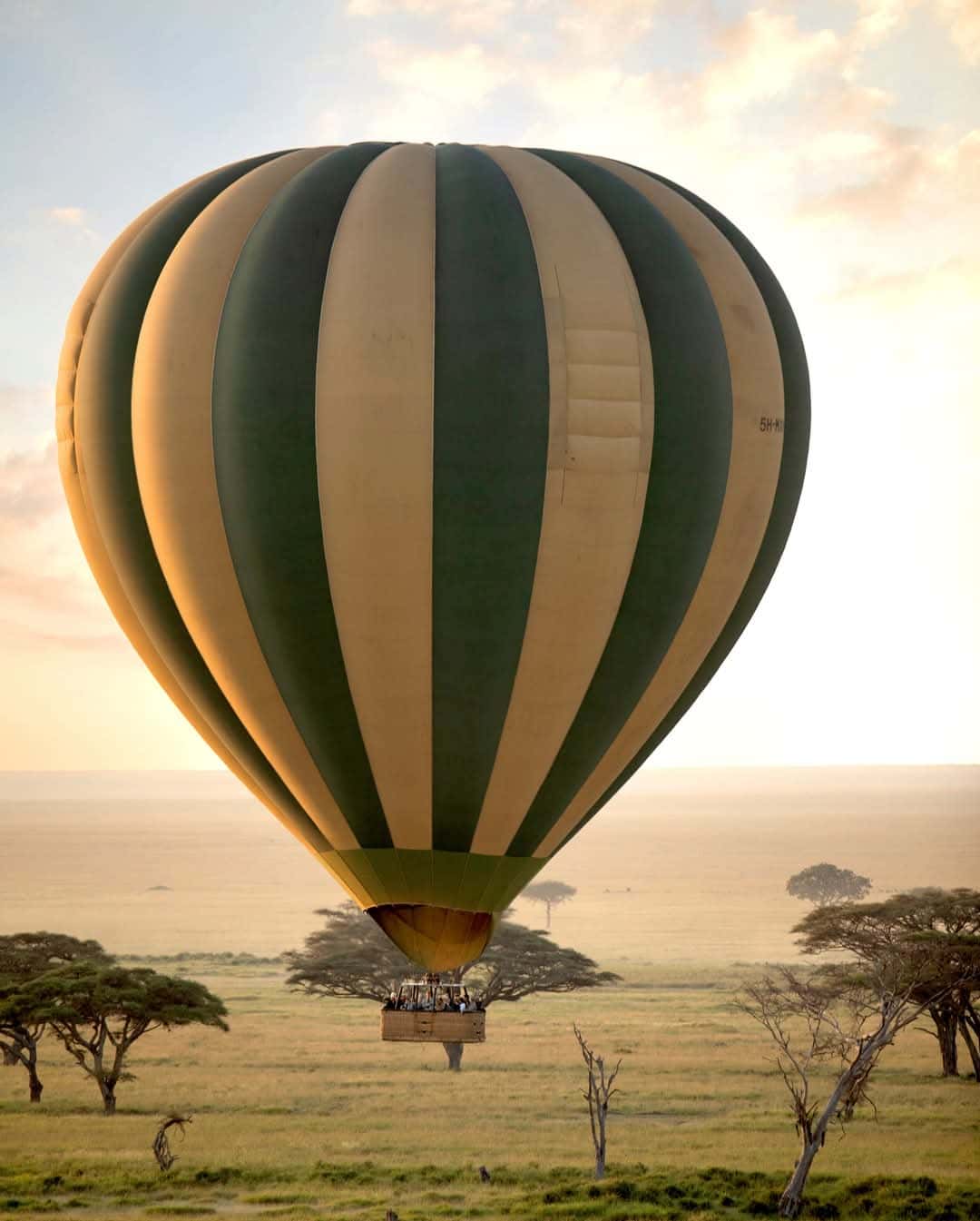 From $450
Balloon Safari over the Maasai Mara
Float in silence above the Mara at sunrise, then land for a champagne bush breakfast.
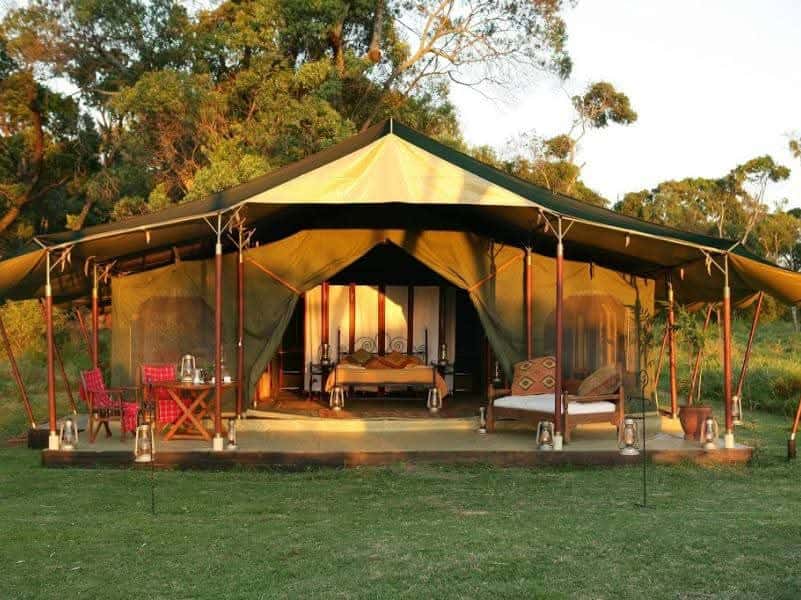 From $900
3 Days Maasai Mara Lodge Safari
A classic short safari into Kenya's most iconic reserve, sleeping in a comfortable lodge.
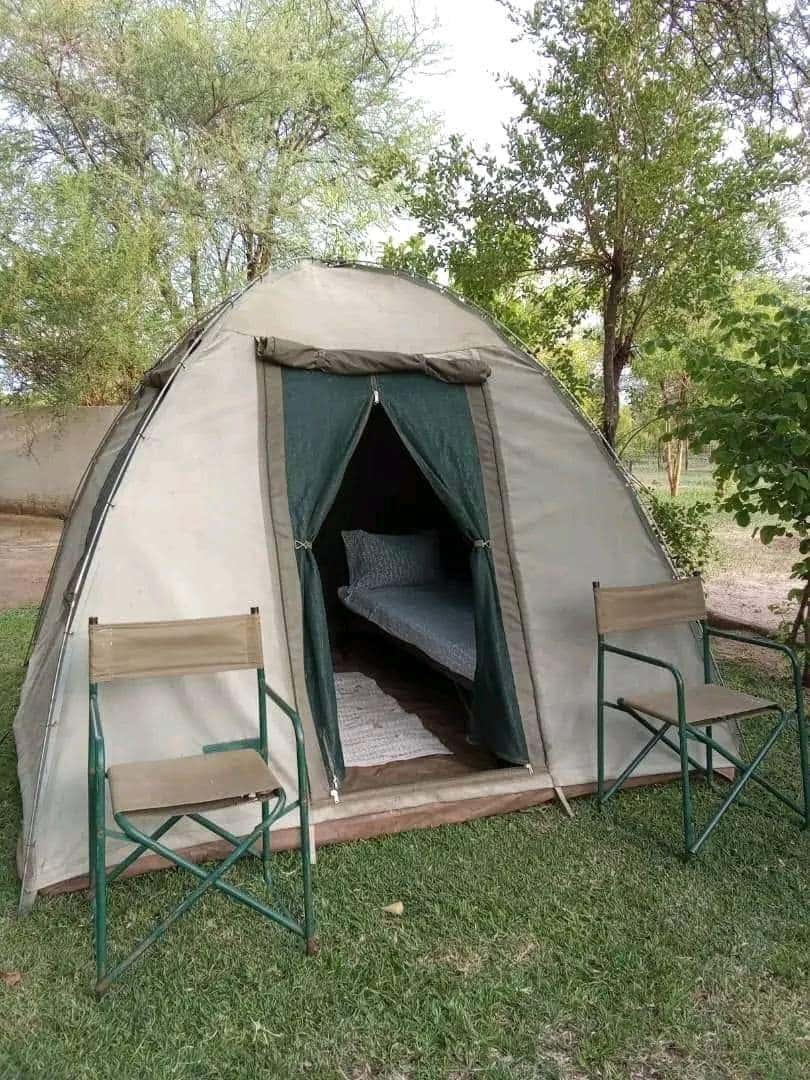 From $600
Magical 3 Days Maasai Mara Camping Safari
Sleep under the stars at a tented camp on the edge of the great Mara plains.