

Safari Guide
The Ultimate Masai Mara Safari Guide: Wildlife, Lodges & Itineraries
The Masai Mara, often written Maasai Mara, is Kenya's most famous safari reserve and one of the most productive wildlife areas in Africa. It is the place many travellers picture when they imagine safari: golden plains, lone acacia trees, lion prides, cheetahs scanning from termite mounds and wildebeest gathering in huge numbers during migration season.
The Mara is not large compared with the Serengeti, but that is part of its appeal. Wildlife density is high, habitats are varied, and a short itinerary can still feel rewarding. You can leave Nairobi in the morning, reach the Mara in time for an afternoon game drive, spend a full second day exploring, and return on day three. That makes it one of the best first-safari destinations in East Africa.
The main reserve is famous for its open plains and river systems. This is where many travellers focus during migration season, especially from July to October when the wildebeest may cross from the Serengeti into Kenya. The Mara River is the most dramatic stage, but the reserve is excellent even outside migration months because resident wildlife remains strong year-round.
The private conservancies around the reserve offer a different style of safari. Areas such as Mara North, Olare Motorogi and Naboisho are known for lower vehicle density, strong guiding and activities that may not be allowed inside the main reserve, depending on the conservancy rules. Conservancy stays can cost more, but they often provide a quieter and more intimate safari experience.
Wildlife is the Mara's greatest strength. Lions are frequently seen, cheetah sightings can be superb, and spotted hyena are part of the daily soundscape. Elephants move through riverine forest and open grassland, while giraffe, zebra, topi, eland and Thompson's gazelle are widespread. Leopard sightings require patience, especially in riverine areas, and rhino are present but not guaranteed.
Birdlife is also excellent. Secretary birds stride across the plains, lilac-breasted rollers flash colour from roadside branches, and raptors circle over the thermals. Even travellers who arrive for cats often leave with a new appreciation for the smaller details: dung beetles at work, jackals hunting, vultures reading the sky and bee-eaters catching insects in golden light.
The best time to visit depends on your priorities. July to October is peak migration season and the most requested period. January and February are strong for predator sightings and drier conditions. March to May is greener, quieter and sometimes better value, though rain can affect roads. November and early December can be beautiful, with fresh grass and good birding after the short rains.
Lodge choice should be based on location, not just star rating. A comfortable lodge far from your preferred game-viewing area can cost you precious hours each day. For a short safari, location is especially important because you have limited time in the field. Ask where the lodge sits in relation to reserve gates, crossing points, conservancies and your arrival route.
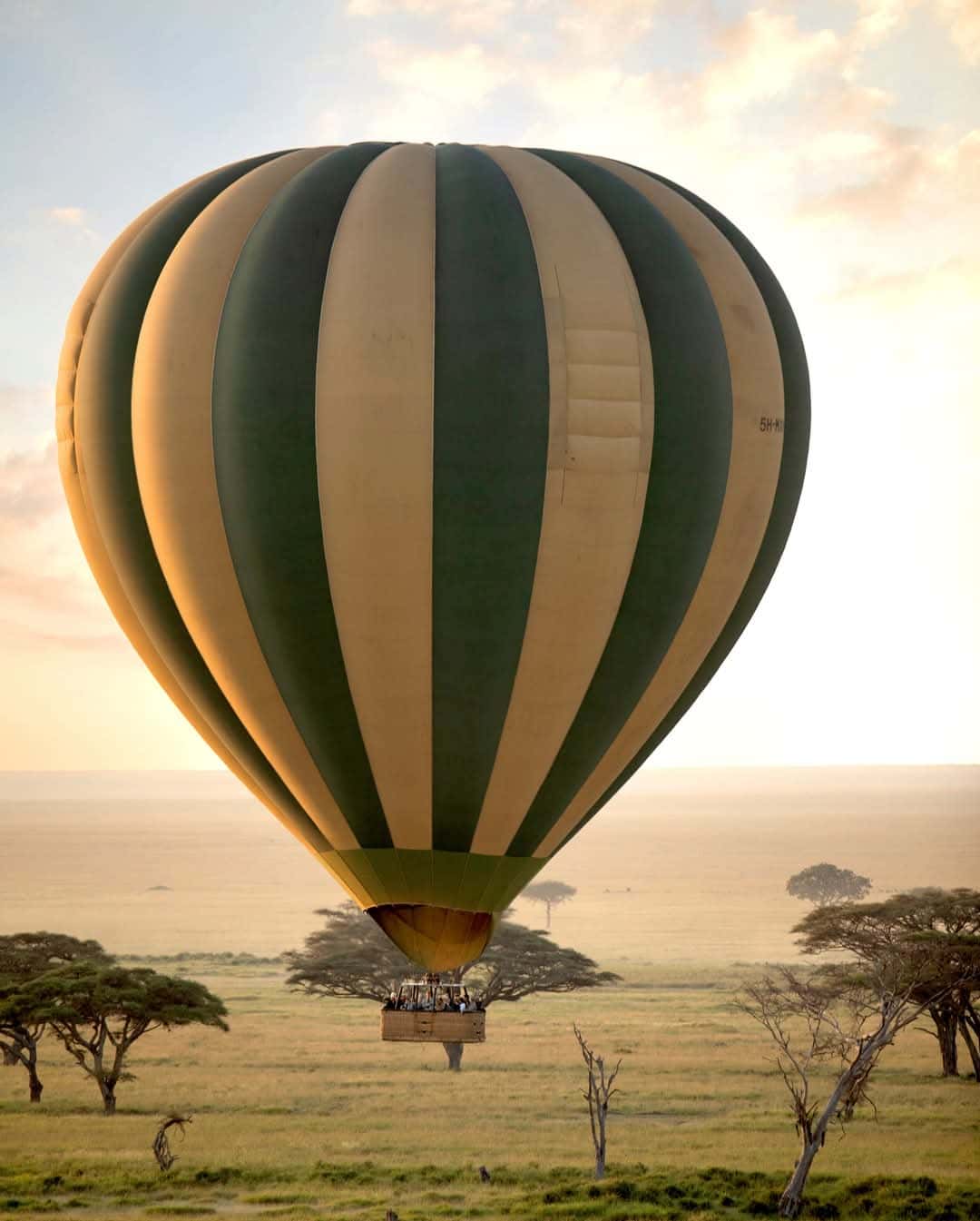
A balloon safari is the Mara's most famous add-on. You wake before dawn, drive to the launch site, lift with the sunrise and drift silently over the plains before landing for a bush breakfast. It is not a substitute for game drives, but it gives a completely different perspective on the landscape. Because space is limited, it should be booked early in peak season.
For most travellers, a three-day lodge safari is the ideal introduction. It covers the essential experience without requiring a long holiday. A camping safari lowers the cost and suits adventurous travellers. A four-day Mara and Lake Nakuru itinerary adds rhino and Rift Valley scenery. A longer Kenya and Tanzania combination connects the Mara to the Serengeti and Ngorongoro for a fuller migration story.
The most common mistake is trying to do too much. If you only have three days, stay focused on the Mara instead of adding distant parks. If you have four days, Lake Nakuru can work. If you have a week or more, consider Amboseli, Samburu or a Tanzania extension. A safari should create time to stop, wait and watch. That is how the best sightings happen.
The Mara is popular for a reason, and good planning protects the experience. Travel with a guide who understands vehicle etiquette, give yourself enough nights, choose accommodation carefully, and be realistic about the difference between possible and guaranteed sightings. The reward is a safari that feels alive from the first dawn drive to the final sunset over the plains.
Plan it with these Masai Mara safaris:
Related Safaris
Tours that match this guide
 From $450
Balloon Safari over the Maasai Mara
Float in silence above the Mara at sunrise, then land for a champagne bush breakfast.
 From $900
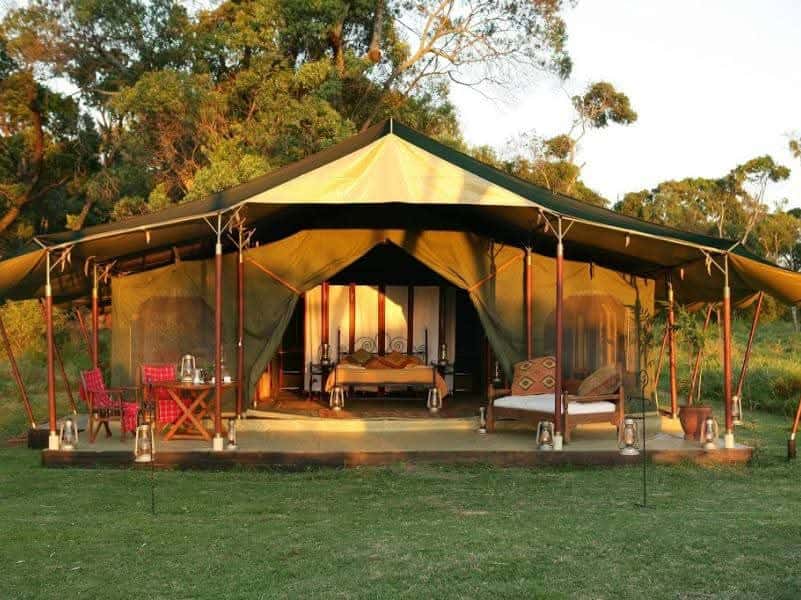
3 Days Maasai Mara Lodge Safari
A classic short safari into Kenya's most iconic reserve, sleeping in a comfortable lodge.
 From $600
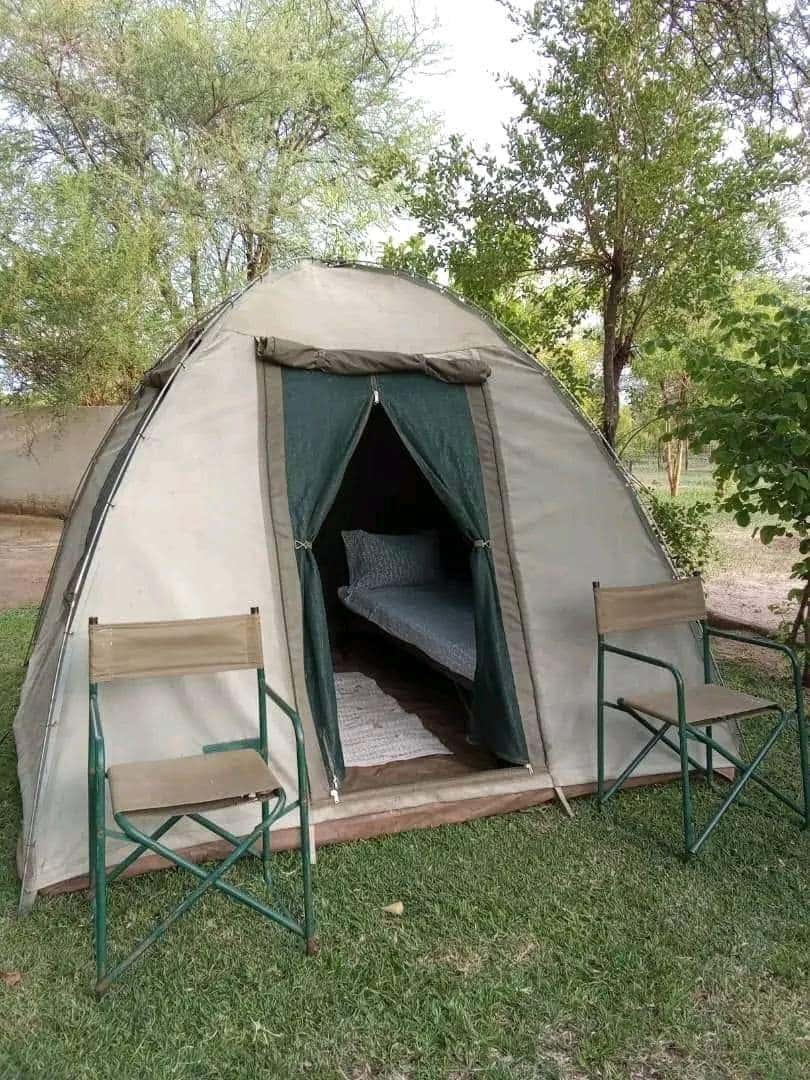
Magical 3 Days Maasai Mara Camping Safari
Sleep under the stars at a tented camp on the edge of the great Mara plains.