

Safari Guide
When Is the Best Time to See the Great Wildebeest Migration in 2026?
The Great Wildebeest Migration is not a single event. It is a year-round movement of wildebeest, zebra and gazelle through the Serengeti-Mara ecosystem, following rain, fresh grass and ancient instinct. That is why the best time to see it in 2026 depends on what you most want to witness: newborn calves, predator action, long columns on open plains, or the tense river crossings that make the migration famous.
For most travellers, the key planning window is July to October, when the herds are usually moving between the northern Serengeti and Kenya's Maasai Mara. This is the classic river-crossing season. The Mara River can be quiet for hours, then suddenly fill with dust, hooves, crocodiles and anxious animals choosing whether to jump. It is dramatic, emotional and unpredictable. If this is the scene you have in mind, plan for at least three nights in the Maasai Mara or northern Serengeti rather than rushing through with a single game drive.
January to March is a different kind of spectacle. The southern Serengeti and Ndutu plains usually become the nursery of the migration, with thousands of calves born in a short period. The grass is short, the plains feel endless, and predators are active because vulnerable young animals attract lion, cheetah and hyena. This is one of the best windows for photographers who want big skies, golden light and intense wildlife behaviour without the peak-season pressure of the Mara crossings.
April and May are the long-rain months. Some travellers avoid this period because roads can be muddy and some camps close, but the green season has advantages: fewer vehicles, lush landscapes, dramatic clouds and lower rates at some properties. It is not the safest choice if this is your only chance to see the migration, but it can suit flexible travellers who value atmosphere and birdlife.
June is a transition month. Herds often push north-west through the Serengeti, and the landscape begins to dry. It can be a smart choice for travellers who want strong wildlife viewing before peak July and August demand. By late June and early July, the migration may be approaching river systems, but timing varies each year with rainfall.
July, August and September are the most requested months for migration safaris. In Kenya, the Maasai Mara becomes the centre of attention. Camps near the Mara River and private conservancies book quickly because they give access to big wildlife areas and excellent guiding. In Tanzania, the northern Serengeti is equally valuable, especially if you want fewer vehicles and a more remote feel. A combined Kenya and Tanzania itinerary gives you more flexibility, especially if the herds are split or moving unpredictably.
October can still be excellent. The herds often remain in or near the Mara before moving south again, and the first short rains may begin later in the month. The light is beautiful, the plains are dry, and predator sightings can be superb. November and December become transition months as rain pulls the animals back toward the Serengeti. Sightings are still possible, but the experience is less about one concentrated crossing zone and more about following conditions.
For 2026, the strongest advice is to choose your safari around the experience you want, then build in enough time. A two-night migration safari is too fragile; one delayed herd movement or one rainy afternoon can change the whole story. Four to six safari nights across the Mara, Serengeti or both gives your guide room to work.
Accommodation style also matters. River-crossing camps are valuable in peak season because they reduce long drives to the action. Conservancy camps around the Maasai Mara offer excellent predator viewing and fewer vehicles, though they may require a short drive into the reserve for river activity. Lodge safaris are comfortable and efficient for first-timers, while camping safaris keep the budget lower and the adventure level higher.
The migration is never a staged show. That is the point. It rewards patience, good guiding and realistic expectations. You may spend a morning watching the herd gather and turn away from the river, then return after lunch to see a crossing unfold in minutes. You may also discover that the best moment of the trip is not the crossing at all, but a lioness teaching cubs to stalk, elephants moving through sunrise mist, or thousands of wildebeest grunting under a sky full of vultures.
If your priority is river crossings, travel July to October and book early. If your priority is calving and predator action, look at January to March in the southern Serengeti. If your priority is value, consider June or late October with a flexible route. And if you want the best possible odds, combine Kenya and Tanzania so your guide can place you where the season is strongest.
Plan it with these migration-ready safaris:
Related Safaris
Tours that match this guide
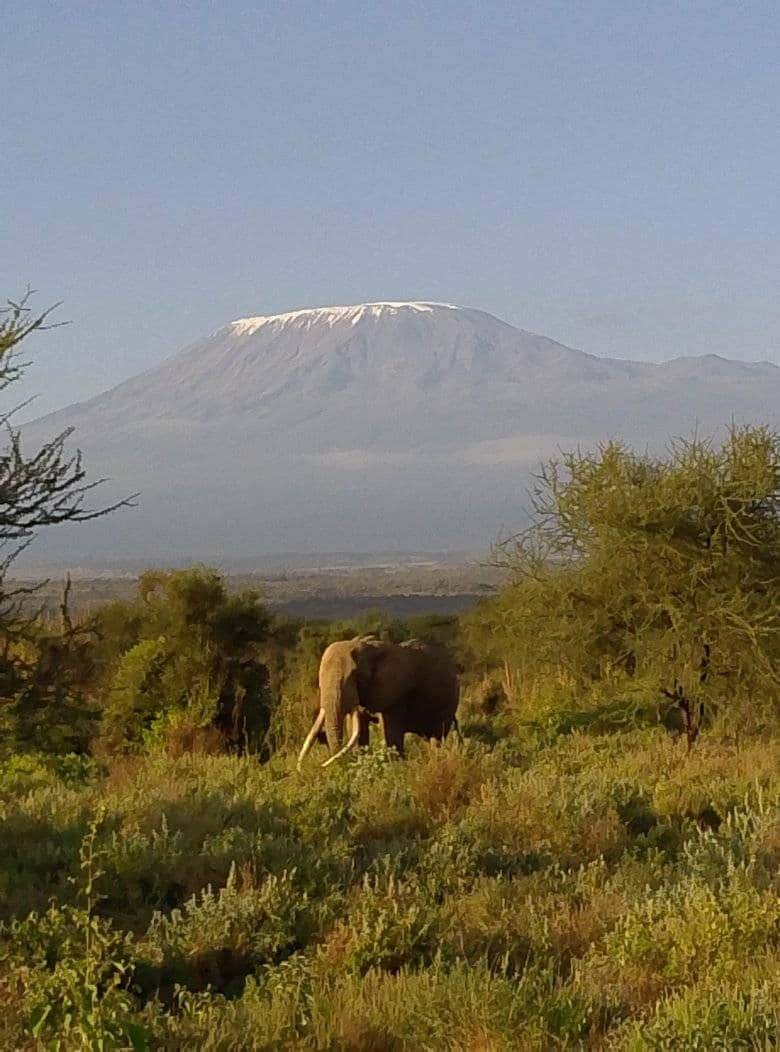 From $2,550
12 Days Lake Nakuru · Masai Mara · Serengeti · Ngorongoro · Tarangire · Amboseli
The grand East African circuit — six legendary parks across Kenya and Tanzania.
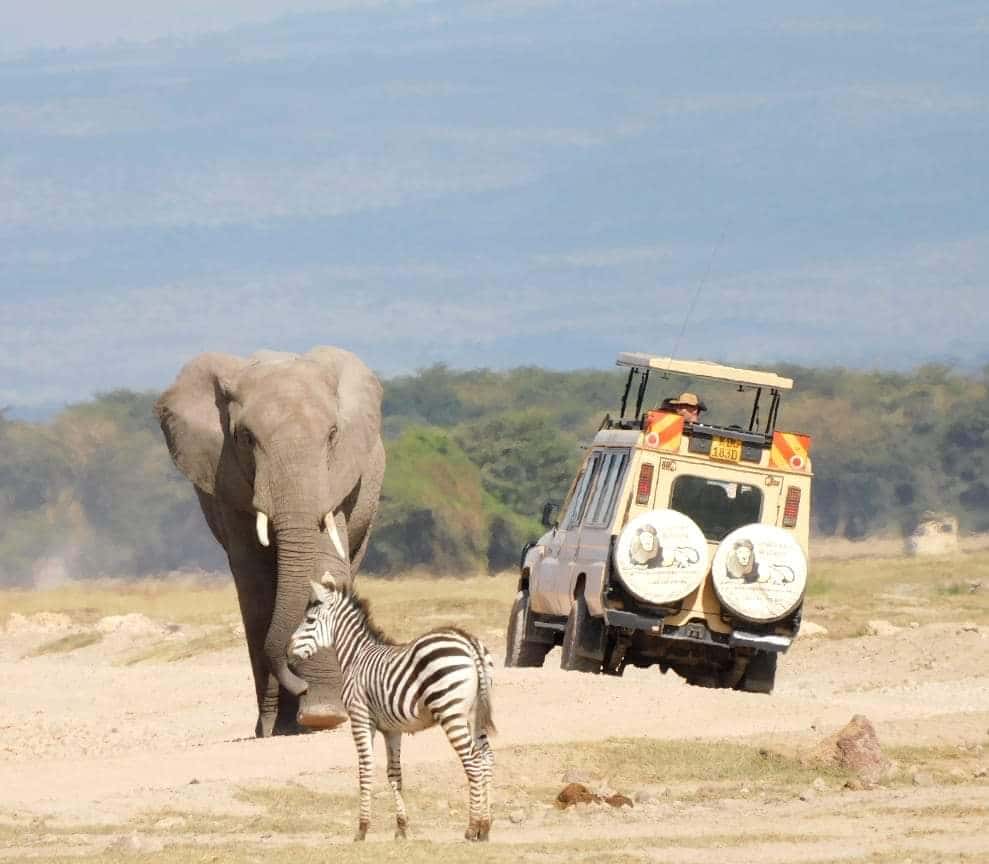 From $2,680
9 Days Kenya & Tanzania Combined Safari
A streamlined cross-border safari linking the Mara, Serengeti, Ngorongoro and Lake Manyara.
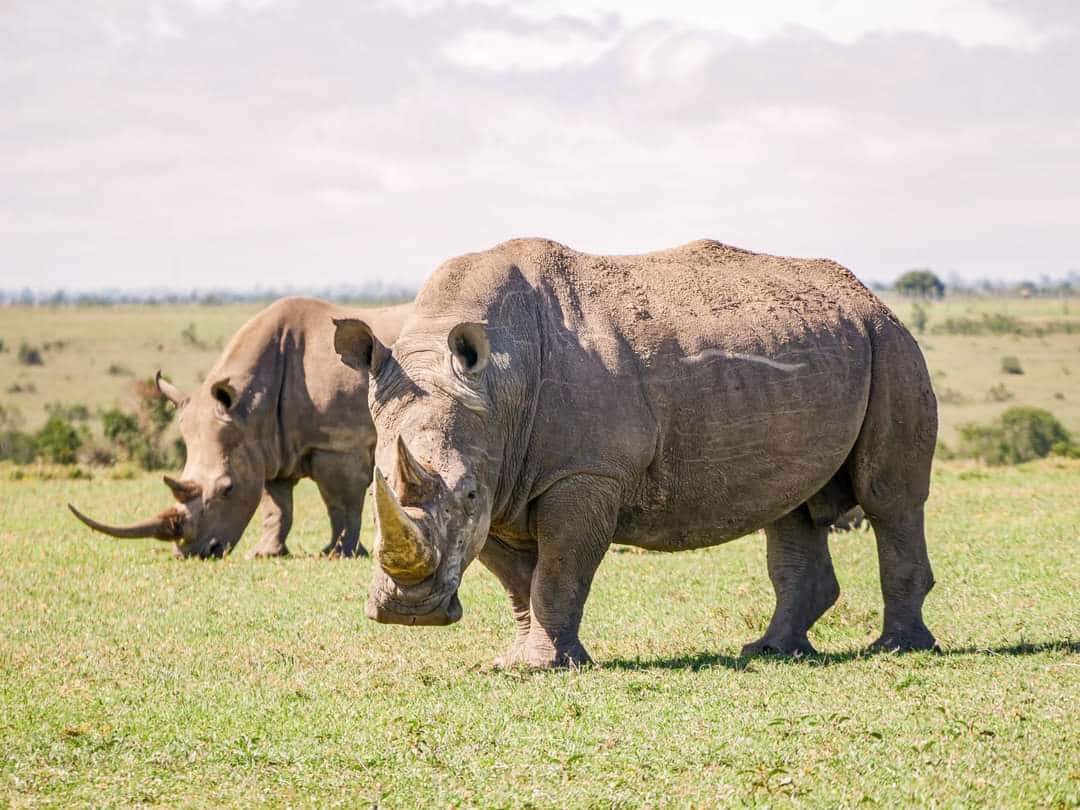 From $2,000
5 Days Masai Mara and Serengeti Safari
A focused cross-border safari linking the Masai Mara and Serengeti.